Do People Live on Phillip Island? Discover Life on the Island

Phillip Island is one of Australia’s most beautiful island destinations, famous for its coastal scenery, unique wildlife and growing tourism industry. Every year thousands of people come to the island to visit attractions like the Phillip Island Penguin Parade, Seal Rocks and the Australian Motorcycle Grand Prix.
But beyond being a tourist hot spot, many people ask: Do people actually live on Phillip Island?
While it’s best known for tourism, Phillip Island has a thriving community of permanent residents who love the peaceful lifestyle, natural beauty and closeness to the ocean.
Living on Phillip Island
Population and Residential Areas
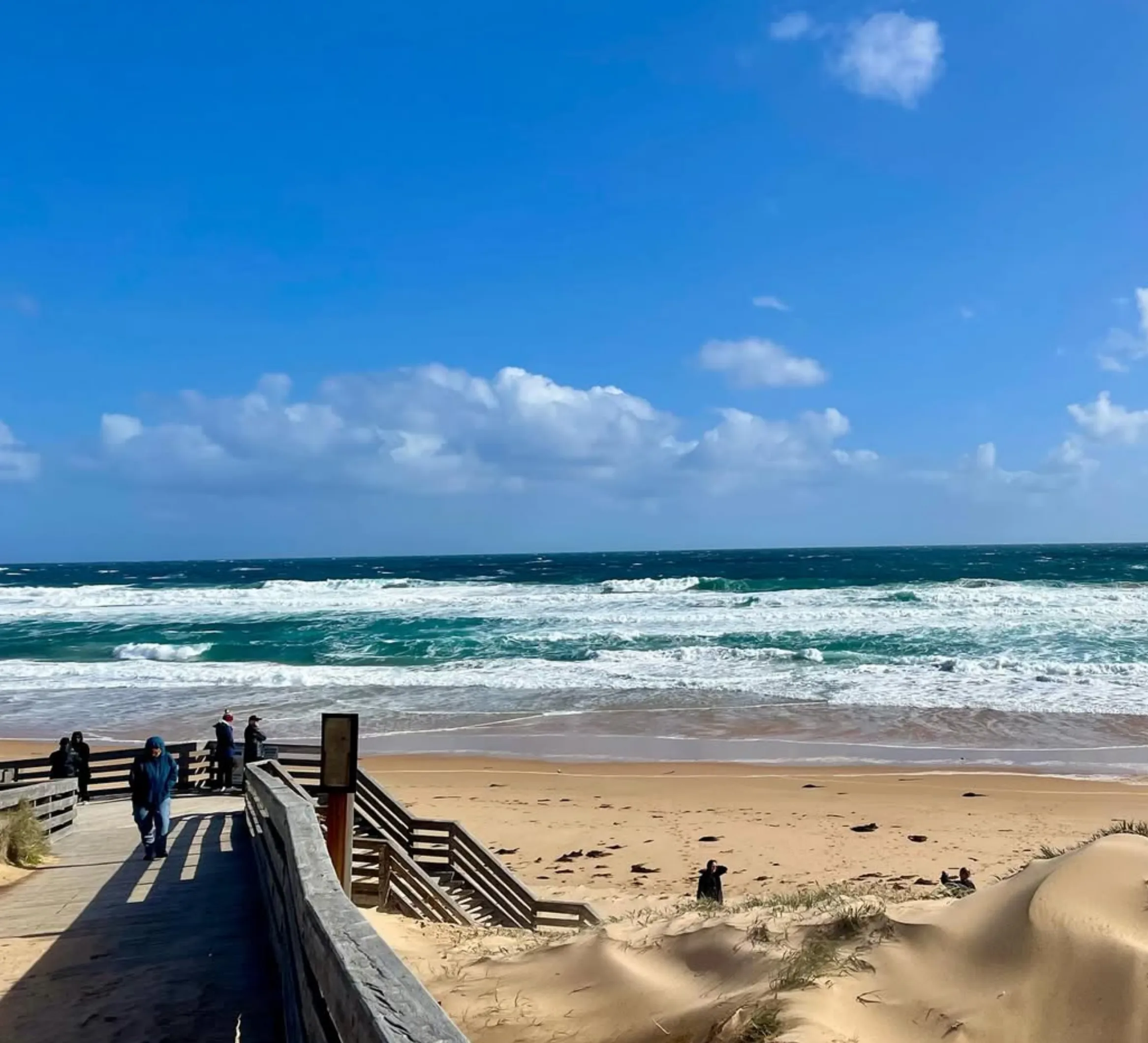
Phillip Island has a permanent population of about 14,000 residents but this doubles during the summer months when tourists and holiday home owners visit the island.
Residents live in several towns and suburbs, including:
- Cowes – The largest town and main commercial hub.
- San Remo – The gateway to Phillip Island, just before the bridge.
- Cape Woolamai – Famous for the National Surfing Reserve and rugged coastline.
- Ventnor – A quiet residential area with stunning ocean views.
- Rhyll – A small fishing village near Churchill Island Heritage Farm.
- Surf Beach – A surfer and beach lover’s paradise.
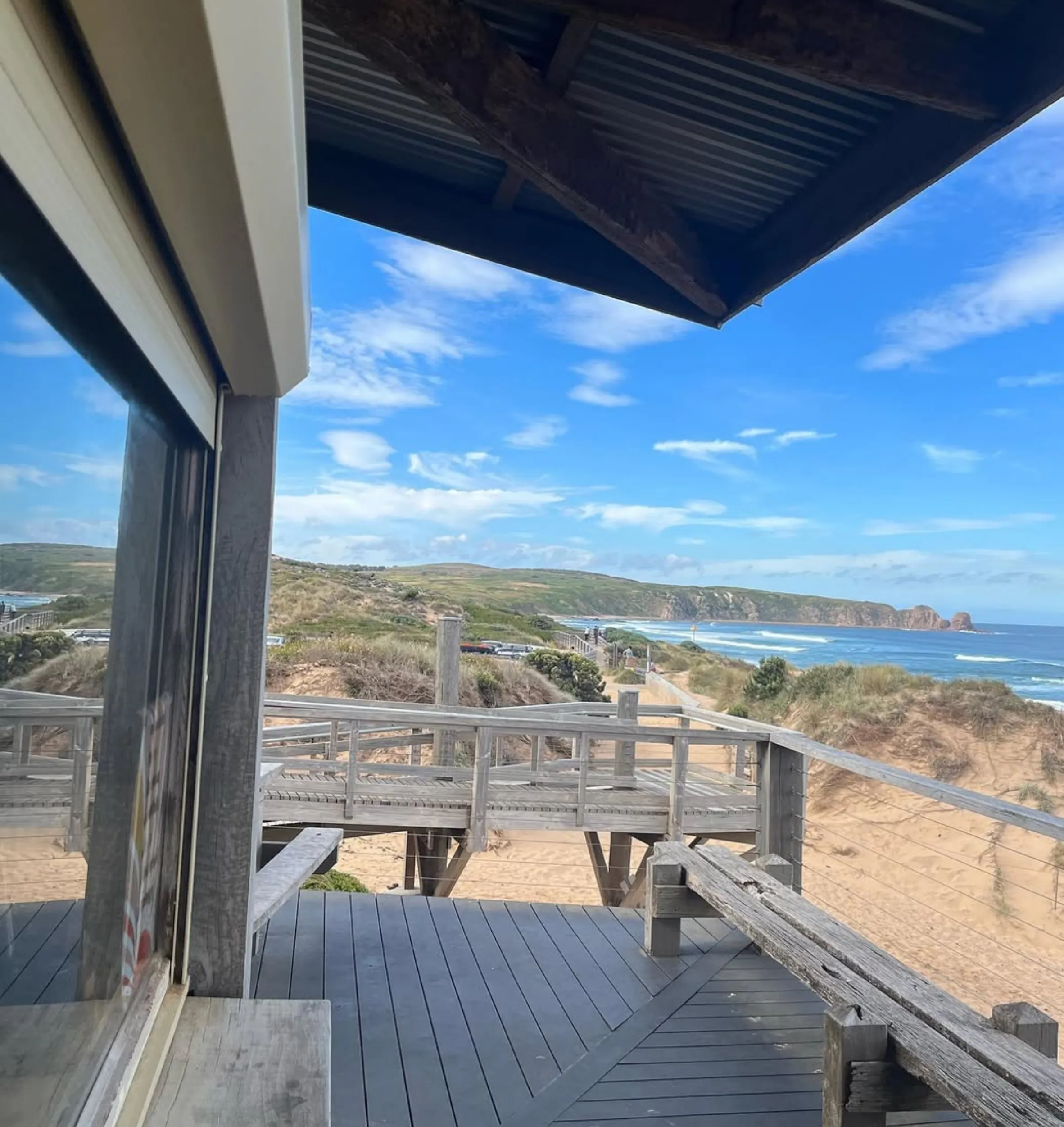
Many homes on the island are private dwellings to holiday homes, with various dwelling structures and tenure types. The Dwelling tables from the census data show the household composition, people per household and applicable households.
The Lifestyle on Phillip Island
Work and Daily Life
Phillip Island residents work in:
- Tourism & Hospitality – Phillip Island Penguin Parade and Phillip Island Nature Parks bring in millions of visitors each year.
- Fishing & Agriculture – Local produce and seafood is big business.
- Retail & Services – Phillip Island Visitor Information Centre is a key stop for tourists.
Some residents commute to Wonthaggi or Melbourne via Phillip Island Road. Public transport is limited, so most people use cars.
Cost of Living and Housing
Housing on Phillip Island varies, with mortgage repayments and monthly repayments dependent on location. Mortgage monthly costs, dwelling characteristics and household weekly income affect affordability.
History and Indigenous Heritage
Phillip Island has a long history dating back thousands of years, with the Torres Strait Islander and Aboriginal people being the original custodians. European settlement began in the early 19th century with George Bass and Arthur Phillip being key explorers.
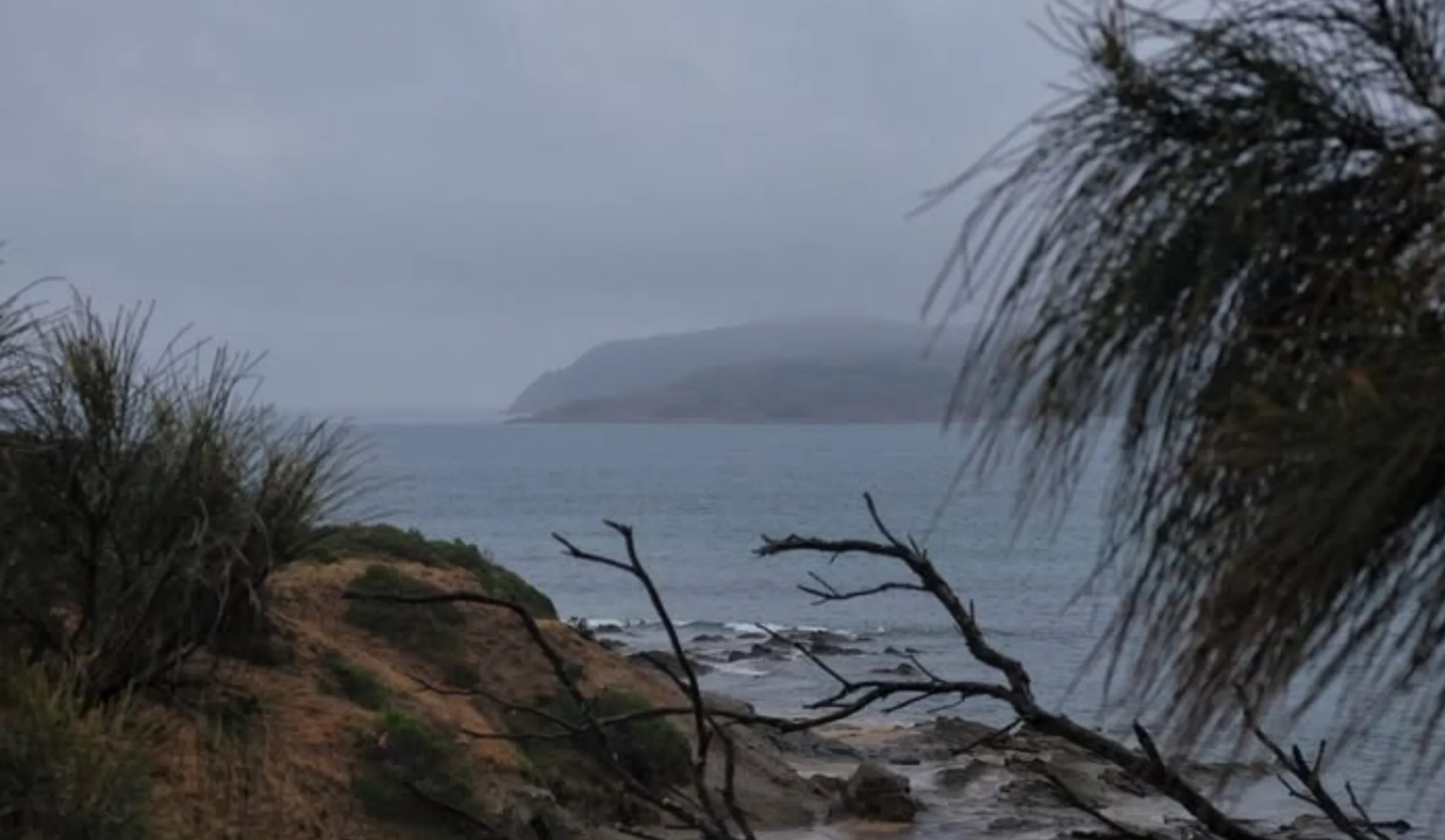
The island has connections to French colonisation with Dumont d’Urville exploring the area. Nearby French Island and Norfolk Island are also connected to Phillip Island.
Wildlife and Conservation
Phillip Island has amazing Australian animals and conservation projects:
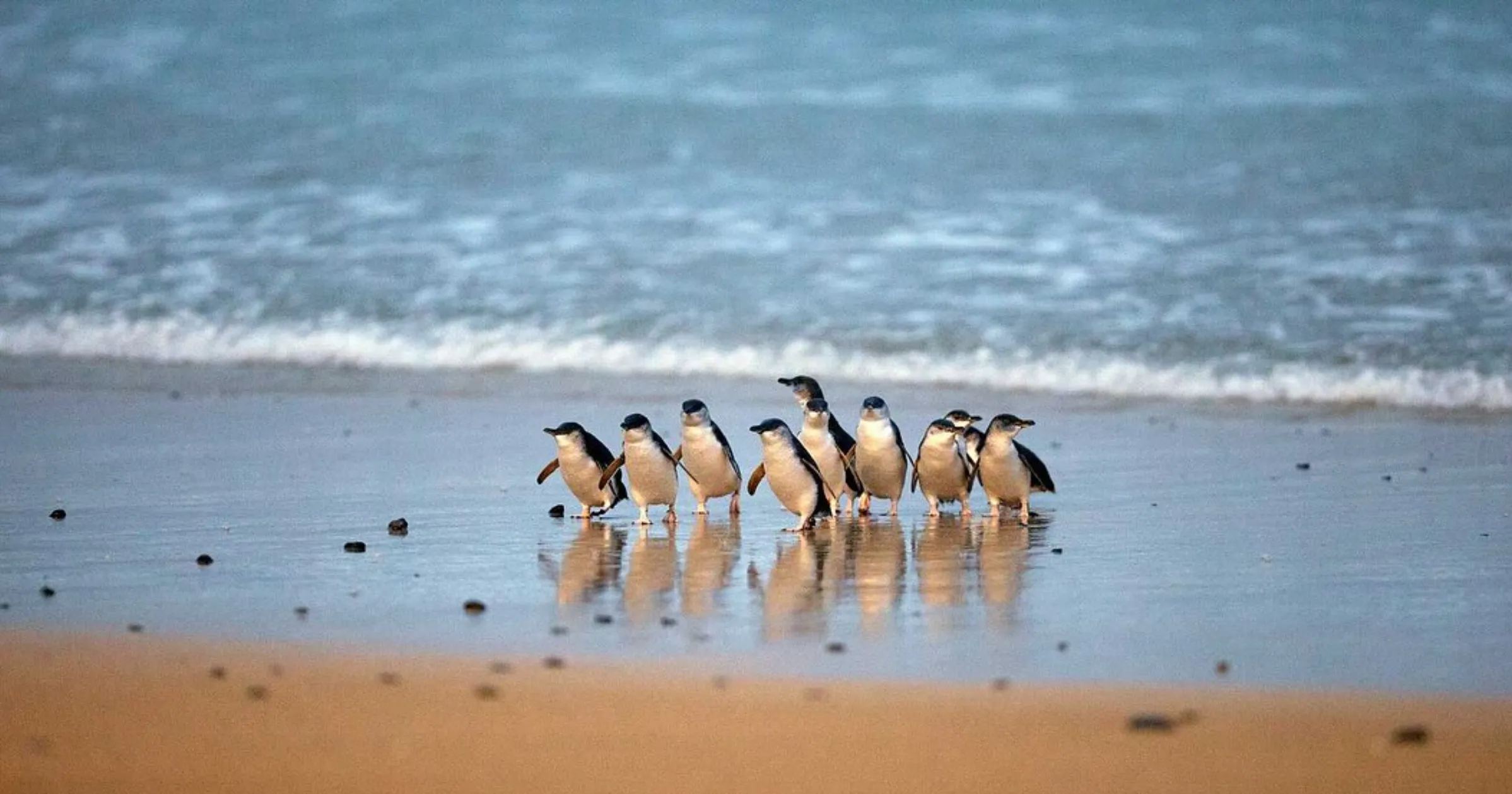
- Penguin Colony at Summerland Beach – Get there an hour before penguin arrival.
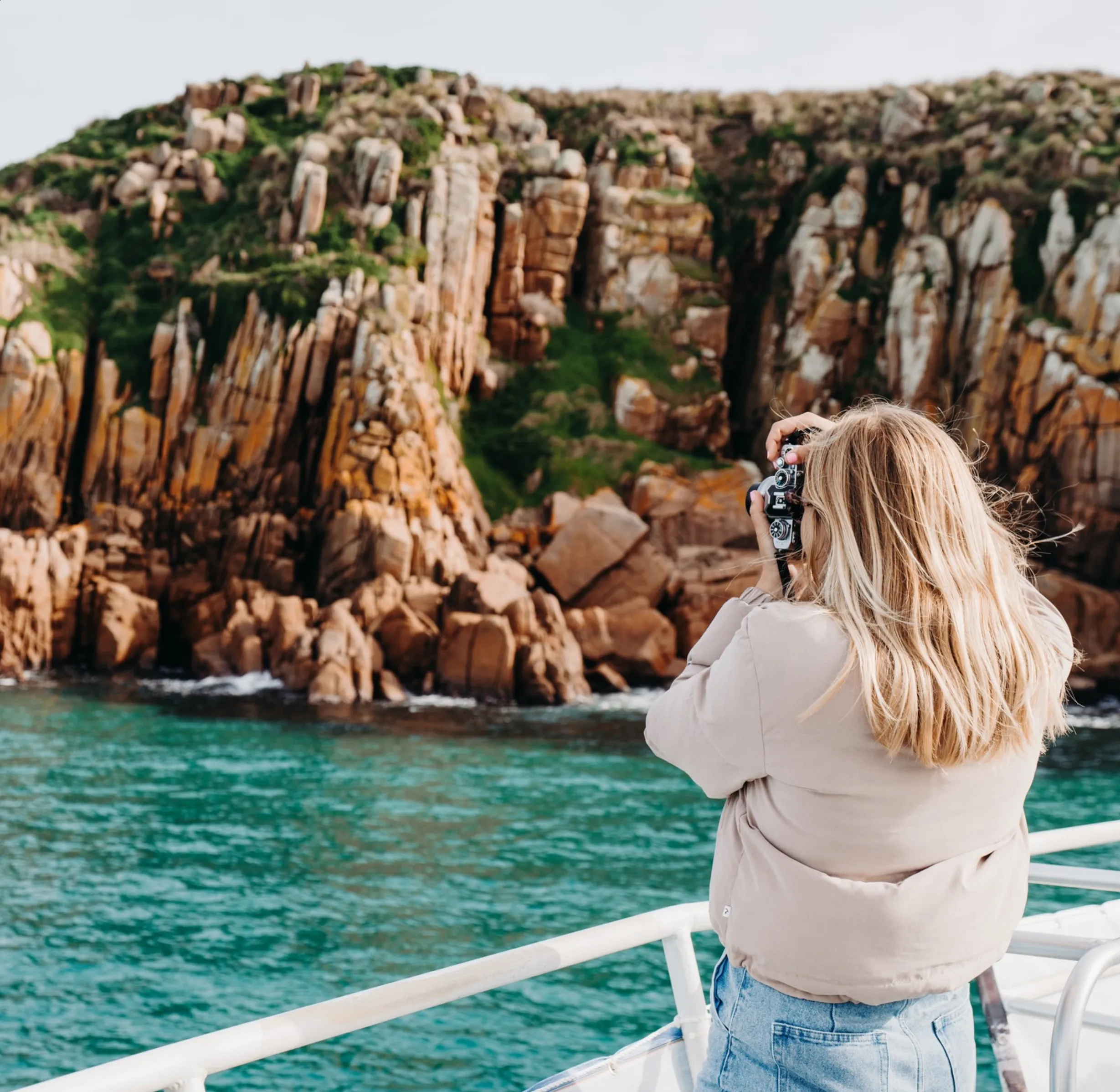
- Fur Seals at Seal Rocks – The biggest in Australia.
- Koala Conservation at Conservation Hill – Protecting local koalas.
- Hooded Plovers and Black Swans – Found along the coastal waters.
Book a Penguin Parade tour to get up close to this magic. Many companies also offer a Phillip Island Penguin tour which includes wildlife encounters beyond just the penguins.
Things to Do on Phillip Island
Phillip Island isn’t just for residents – it’s a tourist paradise! Popular attractions include:
- Phillip Island Nature Parks – Home to the famous Phillip Island Penguin Parade.* Churchill Island – A heritage farm.
- Beach HQ Restaurant & Bar – A local eatery.
- Woolamai Beach – Surfers’ paradise.
- Australian Motorcycle Grand Prix – International event.
- Entry for Card Holders & Admission Ticket Types – Book tickets online for various attractions.
- Ferry Service – Connecting the island to surrounding areas.
If you’re visiting, there’s heaps of Phillip Island things to do – from adventure to wildlife. A Phillip Island tour is the way to see multiple attractions in one go.
Healthcare and Wellbeing
Residents have access to local health services, but for major treatments many go to Melbourne. Common health issues are heart attack and heart disease, local clinics care for you.
Is Phillip Island a Good Place to Live?
Phillip Island is the sweet spot between nature, community and lifestyle. Not for those who want fast pace of city life, but ideal for those who love closer settlement, holiday sweet living and being connected to nature.
Conclusion
So do people live on Phillip Island? Yes! It’s a tourist destination, but also a thriving residential community with its own charm. Whether you’re moving here or just visiting, Phillip Island has history, wildlife, relaxation and adventure all wrapped up in one island paradise.
Frequently Asked Questions
Is Phillip Island a good place to live?
Yes! Phillip Island has a relaxed coastal lifestyle, beautiful views and a close knit community. Perfect for nature lovers, retirees and remote workers. However job opportunities are mostly in tourism so those looking for corporate careers may need to commute or work remotely.
What is the cost of living on Phillip Island?
Cost of living varies. Some waterfront properties are expensive, but there are affordable housing options in Cowes, Ventnor and Rhyll. Mortgage monthly repayments and tenure types vary, and rental options are available. Daily expenses like groceries and utilities are similar to mainland Australia.
How is healthcare on Phillip Island?
Phillip Island has local clinics and healthcare services, but for major medical needs residents often travel to Melbourne. Emergency services are available but for heart attack, heart disease and other conditions you’ll need to travel to the bigger hospitals on the mainland.
Is there public transport?
Phillip Island is accessible by car via Phillip Island Road, San Remo is the gateway. There are also ferry services available. But public transport is limited and most residents use personal vehicles to get around.
Can I work remotely while living on Phillip Island?
Yes! Many residents work remotely, it’s the sweet spot between island life and connectivity. Internet services have improved but some rural areas are slower. For city jobs, you can commute to Melbourne but it takes 1.5 to 2 hours.