Do You Really Need Sunscreen Every Day In An Australian Winter?

There’s a question I hear every single year as the mornings start to cool down and finally we get a break from Brisbane’s sweltering humidity: “Sevine… do you really need sunscreen every day in an Australian winter?” And because when it comes to skincare, I reckon honesty is the best policy, let me give you a straight answer right away: without a doubt, yes – you do.
Winter might feel all snug and comfortable, but the thing is, our UV radiation levels in Australia don’t follow the same rules as places down south, where it gets seriously chilly. Having treated Queensland skin for nearly twenty years – and seen firsthand the not-so-nice long-term effects of ultraviolet radiation on skin cells, from premature ageing to subtle but lasting changes in the skin – I can tell you that winter UV rays are a sneaky lot, they add up over time and are still strong enough to cause problems like uneven pigmentation, loss of collagen, and making sensitive skin conditions even worse.
Why UV Still Damages Skin in Colder Months
Even when the air cools, the UV Index frequently sits in the moderate-to-high range across Australian cities — including Brisbane, Sydney, Perth and Darwin — even in June and July. Dermatologists constantly remind us that UV radiation includes UVA rays, which drive skin ageing, and UVB rays, which contribute to sunburn and skin cancer. Both play a role in winter skin damage. During relaxing facials at The Facial Hub, I often explain how these invisible forces quietly age and inflame the skin long before visible symptoms appear.
When I have to treat clients for those unexplained patches of weird pigmentation or the texture of their skin has all gone to pot, I can tell you more often than not, winter UV exposure has been the culprit. Even when the cloud cover is heavy or the morning is drizzly, UV levels can still be pretty high because UVA rays can just zip through clouds like they’re nothing and pass right through glass windows. This, skin. like pale concrete, light sand, and especially snow, can bounce UV radiation right back onto the skin, increasing photo damage by as much as 80% in snow-covered environments. This is one reason why winter sports like snow skiing require just as much sun protection as a day at the beach, especially when clients come from The Facial Hub in Brisbane up to the snow in colder climates.
How UVA & UVB Behave in Colder Weather
UV behaviour is worth understanding, because it’s the reason sunscreen never takes a holiday:
- UVA rays (Ageing Rays): Constant year-round, responsible for collagen breakdown, pigmentation, eye damage, and premature skin aging. They penetrate deeply into the dermis and through windows.
- UVB rays (Burning Rays): Lower in winter but still present, contributing to skin damage, DNA changes, and forms of skin cancer, such asthe basal cell carcinoma and squamous cell carcinoma.
Even indoors, UVA finds you — it’s why I wear SPF in the treatment room, even under soft blue light from our devices.
What Happens to Skin When You Skip Daily Protection
When a client comes in with dullness, sensitivity or unexpected pigmentation, my first question is usually about sunscreen habits. Winter UV tends to show up in subtle, slow-forming ways that are easy to miss until they’re well established.
Common Skin Changes Caused by UV Exposure
- Increased fine lines due to collagen breakdown
- Pigmentation deepening or spreading
- Dullness from oxidative stress
- Dehydration from UV-induced inflammation
- Melasma flare-ups triggered by UVA rays
- Worsening of sensitive skin or acne-prone skin due to inflammation
Winter UV damage often goes unnoticed until skin lesions appear or clients book their annual full-body skin examination. Winter is also when many Australians delay their routine skin check — but this is often when early signs of skin cancer hide in plain sight.
Skin Types Most Vulnerable in Colder Seasons
Here’s a quick comparison based on what I routinely see in the:
| Skin Type | Winter UV Response | Risk Level |
|---|---|---|
| Fair / Fitzpatrick I–II | Burns easily, pigmentation forms quickly | High |
| Sensitive Skin / Compromised Barrier | Redness, stinging, uneven tone | Moderate–High |
| Melasma-Prone Skin | Pigmentation flare despite cloud cover | Very High |
| Mature Skin | Faster collagen breakdown | High |
| Oily/Acne-Prone Skin | Often, weafterwards don’t notice early signs of damage | Moderate |
Data reference: Cancer Council Australia UV Index observations for winter periods across 2023–2025 (UV commonly 3+ even in cooler months).
Why Daily SPF Still Matters
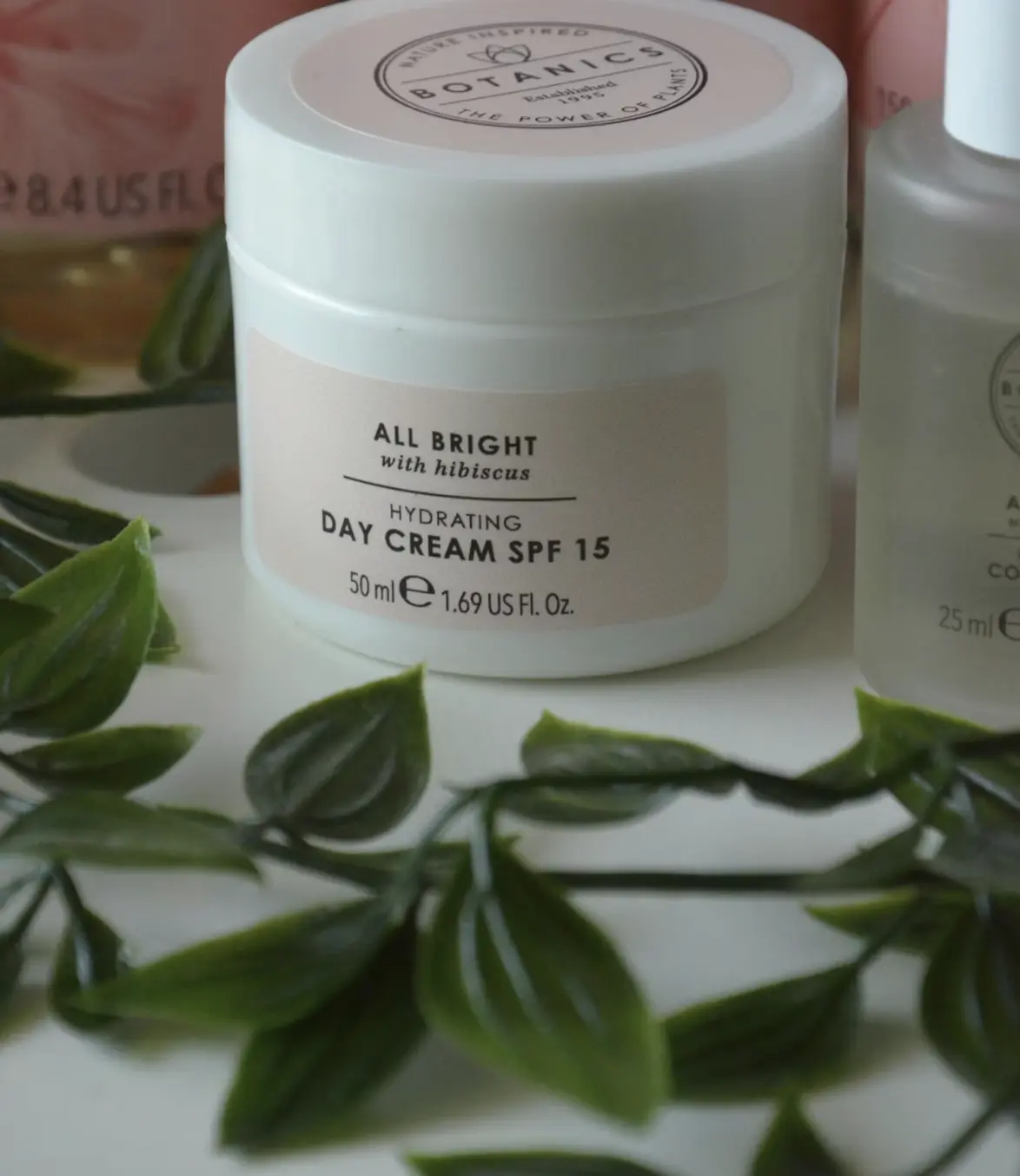
Your sunscreen isn’t just a summer romance — it’s the foundation of a stable, resilient skin barrier. Daily protection helps reduce the risk of skin cancer, supports skin tissue repair, and minimises photo ageing. Broad-spectrum sunscreen formulations shield against UVA rays, UVB rays and, in many cases, visible blue light — which is especially helpful if you use devices all day.
I’ve seen the transformative power of consistent SPF use. Even clients coming in for hydrafacial in Brisbane treatments notice faster, clearer results when SPF becomes a non-negotiable part of their winter routine.
Three Reasons SPF Matters Even More
- UVA radiation is relentless. It doesn’t drop significantly in winter, and it drives 80–90% of visible ageing.
- Australia’s ozone layer is thinner. This means ultraviolet radiation reaches us more directly than in many countries.
- Reflective surfaces increase risk. Snow, water, pale rock, and even glass amplify the reflectivity of UV radiation.
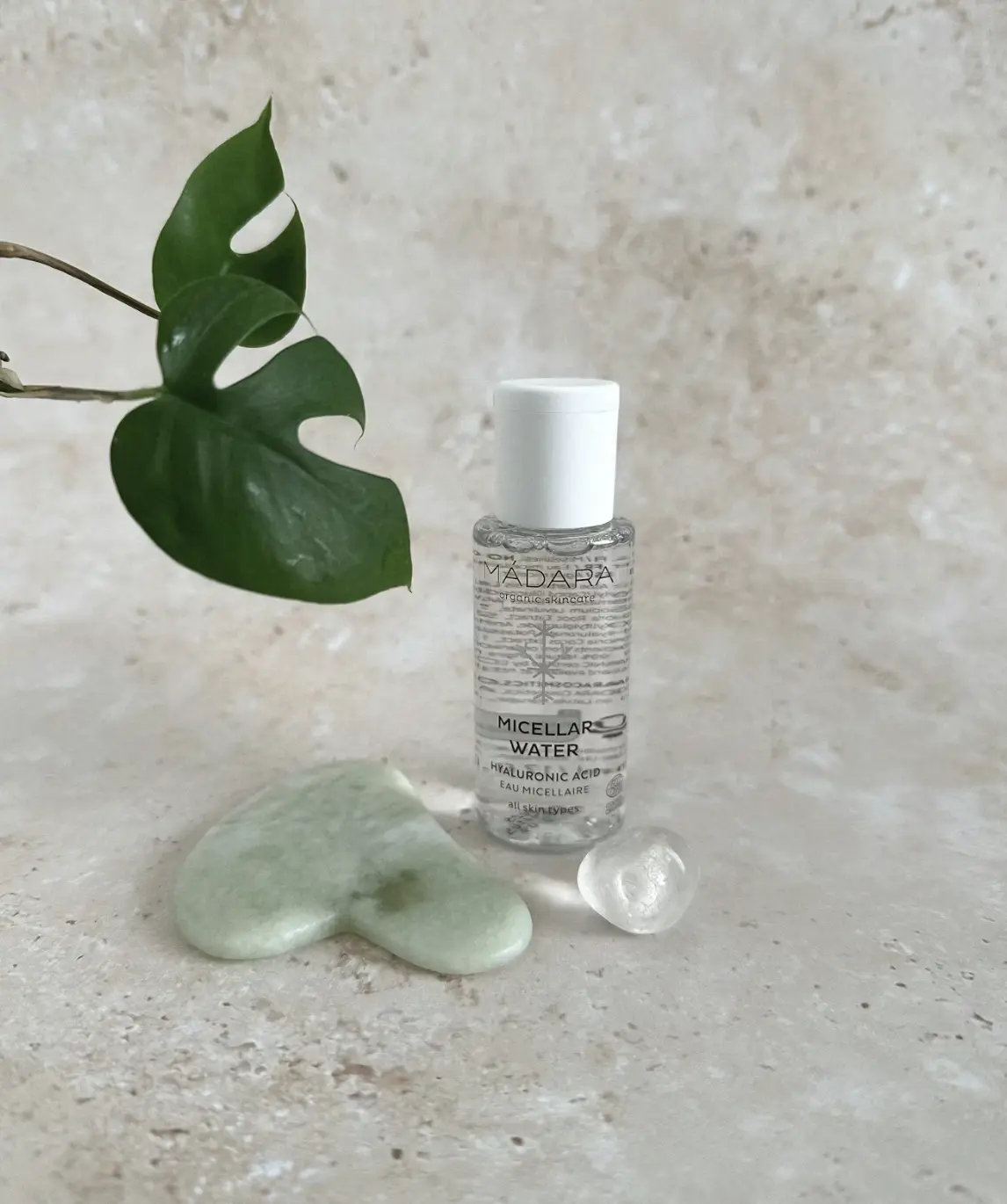
Which Formulas Work Best in Cooler Conditions
Choosing sunscreen shouldn’t feel like decoding a chemistry textbook, but understanding sunscreen ingredients helps you choose wisely. Winter often calls for more hydrating formulations, especially for sensitive skin.
And yes, many clients prepping for laser carbon peels or revitalising facials need upgraded SPF because their skin becomes more vulnerable to UV exposure afterwards.
Professional SPF Recommendations
- For Dry or Dehydrated Skin: Hydrating chemical sunscreen or mineral formulas enriched with shea butter or ceramides.
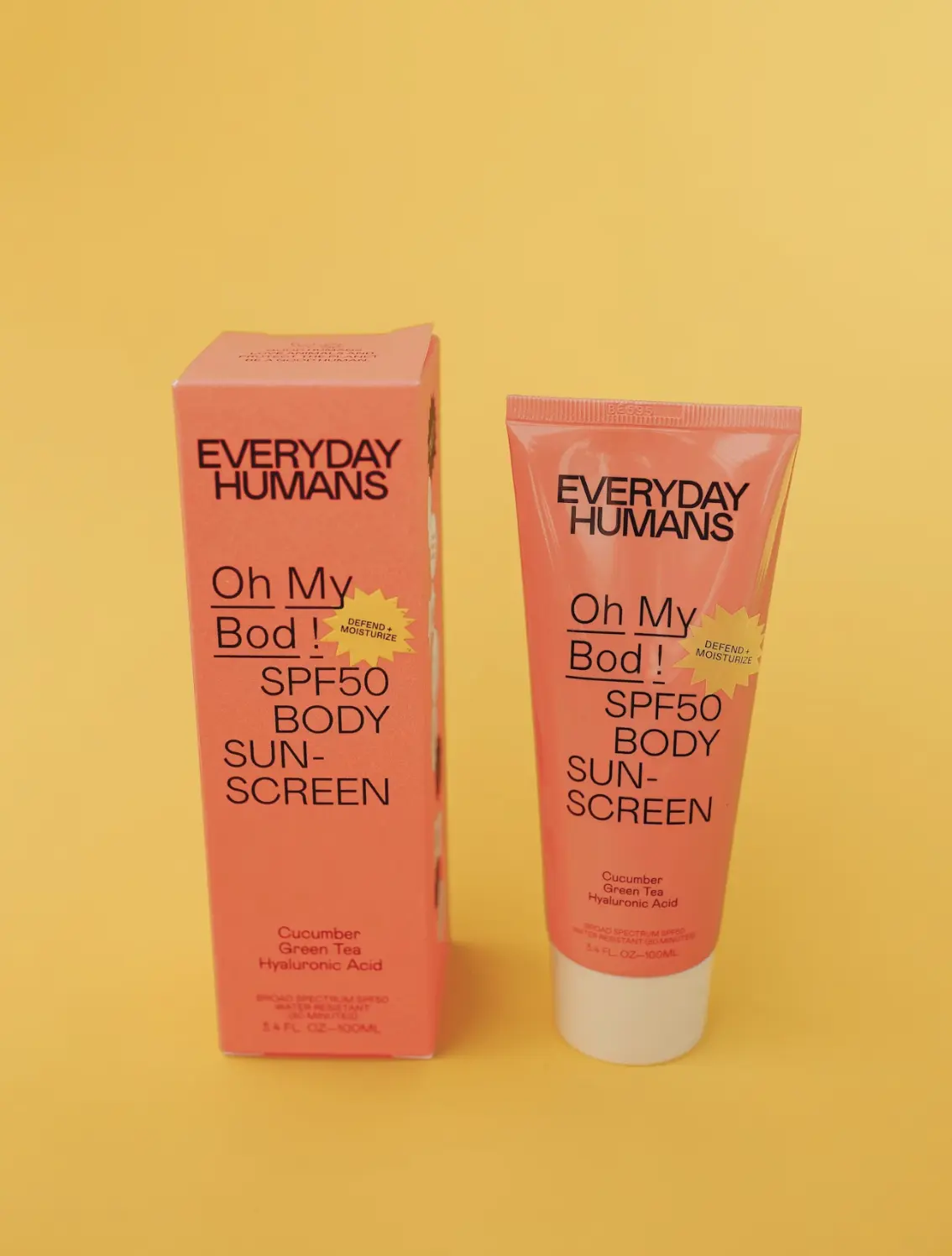
- For Sensitive Skin: Physical sunscreen or broad-spectrum zinc sunscreen to minimise irritation.
- For Pigmentation or Melasma: Broad-spectrum SPF50+ sunscreen with iron oxides for blue light defence.
- For Acne-Prone Skin: Lightweight gels or fluid SPF 30–50 that won’t clog pores or leave a white cast.
And don’t forget lip balm with SPF, because lips have no melanin and burn easily in winter winds.
How to Apply SPF Properly in Cooler Months
Winter can trick us into thinking we don’t need much sunscreen — but proper application ensures full-day skin protection.
My Daily Protection Guide
- Apply ½ teaspoon of broad-spectrum to the face and neck
- Use broad-spectrum sunscreen as the final AM step
- Reapply if outdoors more than two hours
- Choose UPF50+ gear, such as a wide-brim hat, polarised sunglasses, neck gaiters, or shoulder wraps, when in alpine regions.
- Don’t forget ears, chest, hands, and lips. the
A surprising number of pigmentation patches form on the driver’s side of the face — proof of UVA passing through car windows.
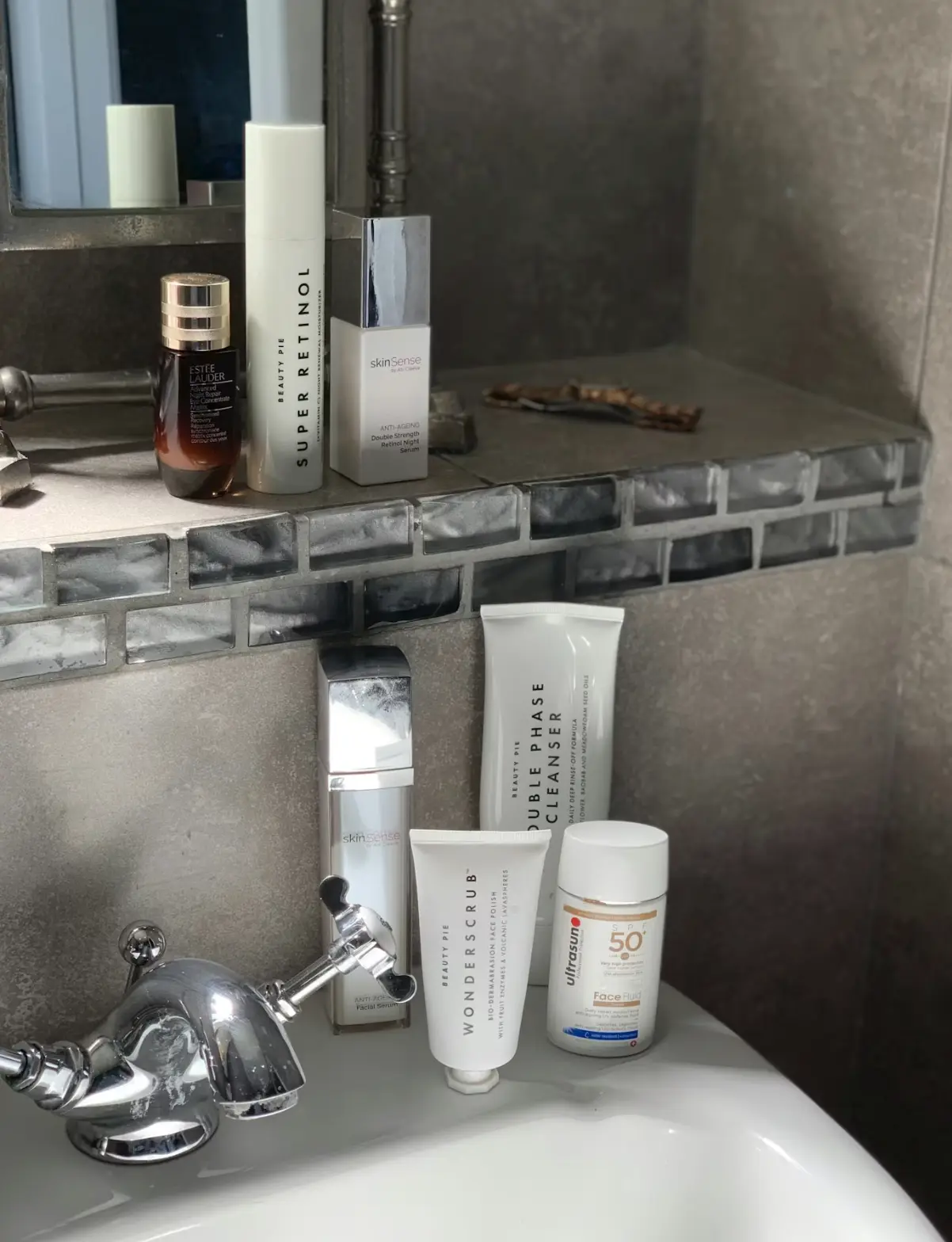
How SPF Fits Into Your Seasonal Skincare Routine
Winter is ideal for repairing the skin barrier, especially after harsh summers. Photo protection makes all your active ingredients work better by reducing inflammation and helping skin cells repair more efficiently.
Routine Order for Stronger Skin Health
- Gentle cleanser
- Hydrating mist or serum
- Antioxidants (Vitamin C or rosehip extract)
- Moisturiser
- Broad-spectrum SPF 30 or SPF 50
- Optional: UPF50+ accessories for added skin protection outdoors
Nighttime is best for retinoids, lactic acid and barrier repair creams — and all of them deliver better results when daytime UV protection is consistent.
2026 Skincare Insights: What the Data Tells Us
Industry reports for 2026 show increased awareness of winter UV protection:
- SPF use in winter increased by 22% across Australia
- Zinc-based sunscreen formulations grew by 31%
- 40% of clients linked pigmentation flares to winter UV exposure
- Sales of UPF50+ gear rose in alpine regions due to snow reflection and snow blindness concerns
These trends reflect what I see in the clinic: clients who wear sunscreen daily maintain clearer, calmer, more even-toned skin throughout the year.
A Final Thought — And a Quiet Nudge From Me to You
If you take anything from this guide, let it be this: sunscreen is not seasonal in Australia. It protects your skin, your long-term health, and your confidence. Whether you’re walking your dog, skiing on reflective snow, or simply sitting by a window, UV radiation doesn’t take a winter break.
And if you’re unsure which sunscreen suits your skin type — sensitive, acne-prone, mature, or melasma-prone — I’m always here to help you review your routine.
FAQ
Do I really need SPF indoors in winter?
Yes. UVA rays pass through windows and contribute to skin ageing and eye damage. Indoor SPF helps with long-term photo protection.
Is SPF 50 necessary, or is SPF 30 enough in winter?
SPF 30 is the minimum. SPF 50 or SPF50+ offers better protection in alpine regions, reflective environments, or if you’re pigmentation-prone.
Can sunscreen help prevent skin cancer in winter?
Absolutely. UV radiation still triggers DNA changes in skin cells in winter, contributing to basal cell carcinoma, squamous cell carcinoma, and actinic skin lesions.
Will sunscreen cause breakouts or leave a white cast?
It depends on the formula. Acne-prone skin does best with lightweight fluids or chemical sunscreen, while physical sunscreen can sometimes leave a white cast. Choose a formulation matched to your skin type.
How do I know if my sunscreen has expired?
Check the bottle for the PAO (period after opening) symbol. Sunscreen expiration reduces effectiveness and increases the risk of skin damage from UV rays.