What Should I Do If I Get Stung By A Jellyfish In Northern Australia? A Practical Survival Guide From The Top End

What you should do if you get stung by a jellyfish in Northern Australia – the no-nonsense answer. Get out of the water right away, pour some vinegar on the sting, avoid messing with it or using fresh water, and get medical help ASAP if things start to get out of hand. That’s the real deal – not some pie-in-the-sky advice or a wild guess.
I’m Paul, and I’ve spent years showing travellers around the Top End, Cape York and the Kimberley. Seen first hand how things can go from a bit of a nuisance to a real emergency in the blink of an eye. Northern Australia is an incredible place to travel – but it expects you to turn up with your wits about you.
This guide will walk you through what works, what doesn’t and how to stay one step ahead of becoming that cautionary tale around the campfire.
What’s Actually Lurking in the Water Up Here
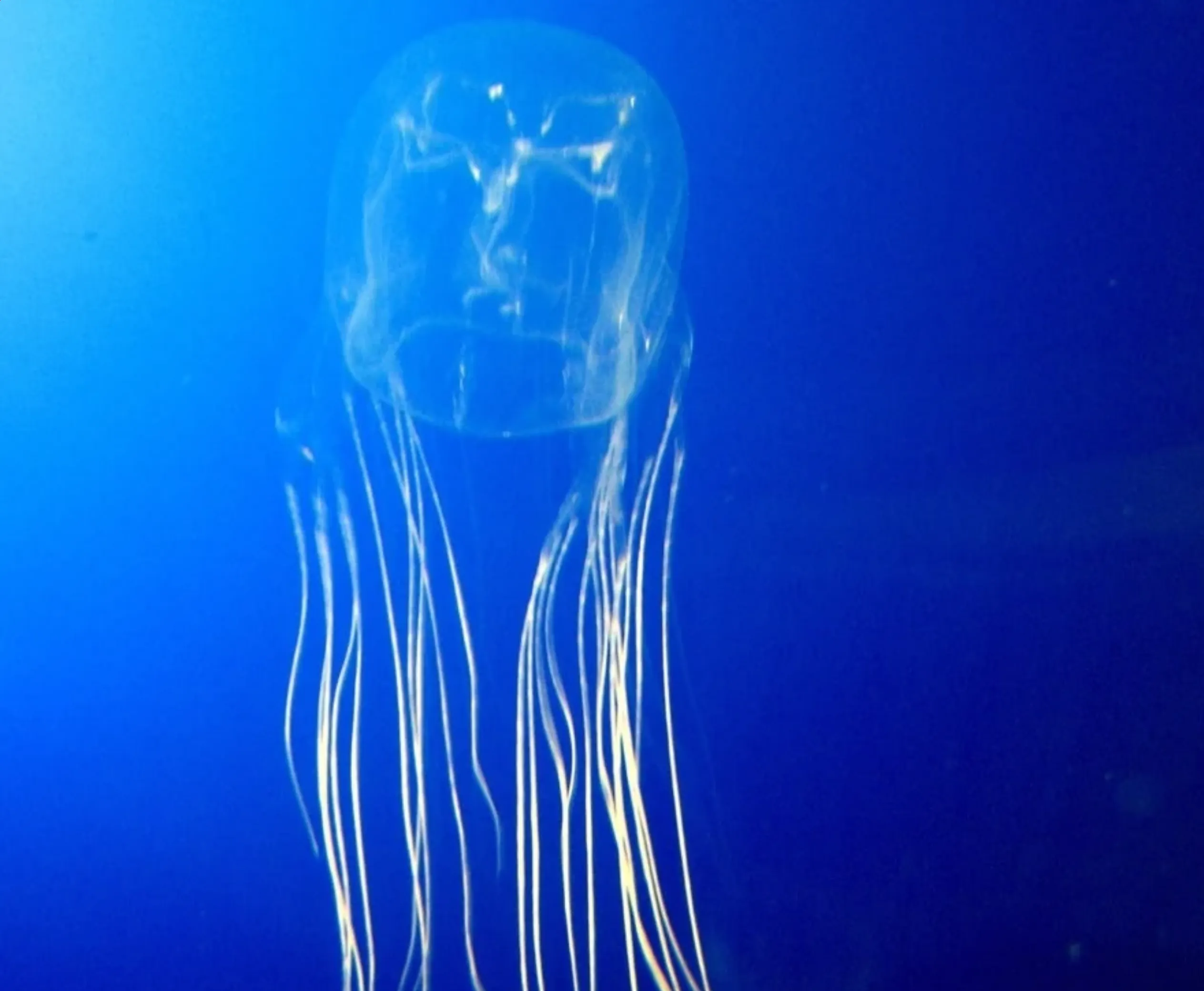
The water might look as smooth as a billabong at sunrise – but don’t let that fool you. Coastal waters in Northern Australia have some of the most potent venom-packed jellyfish in the world.
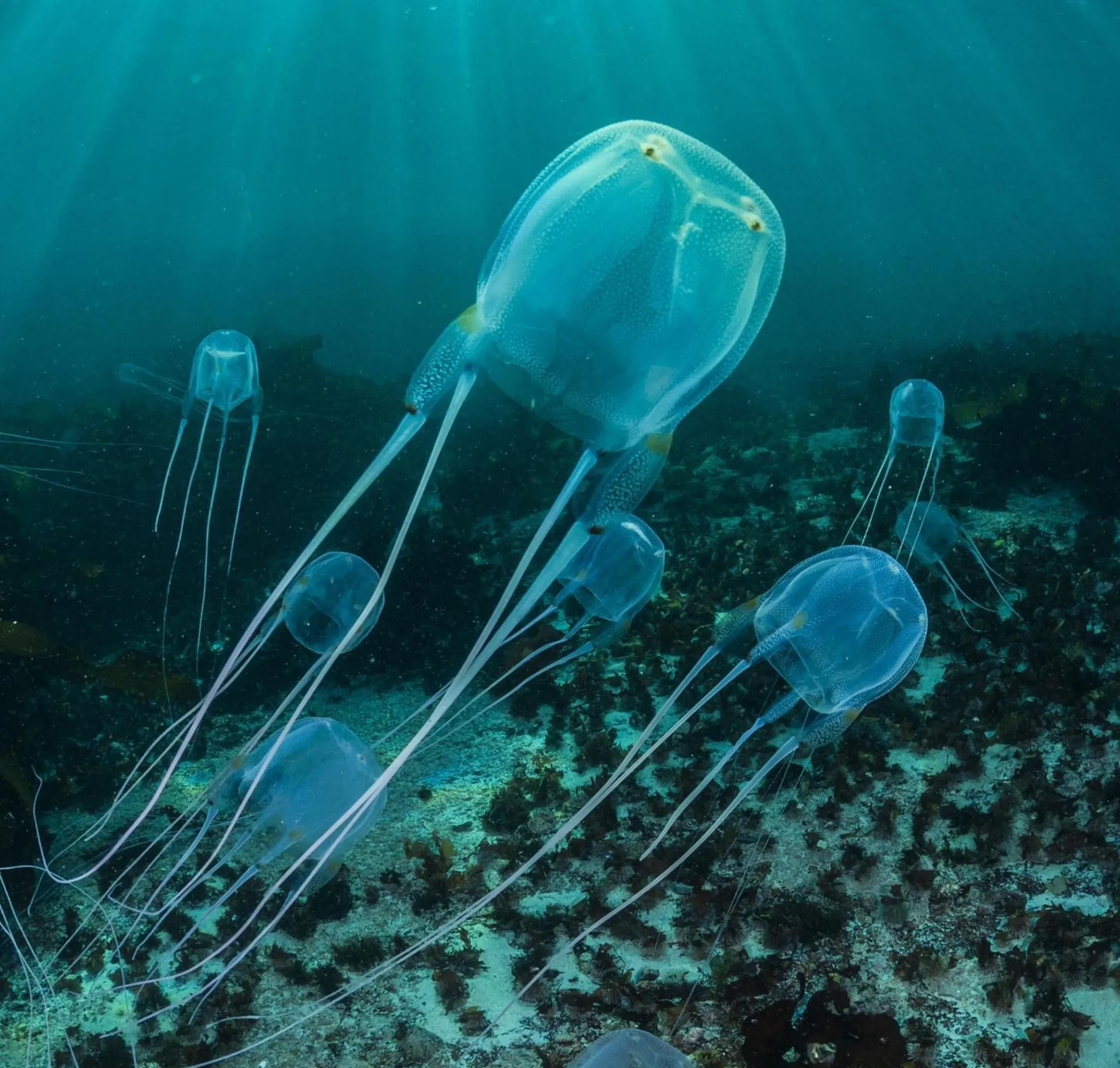
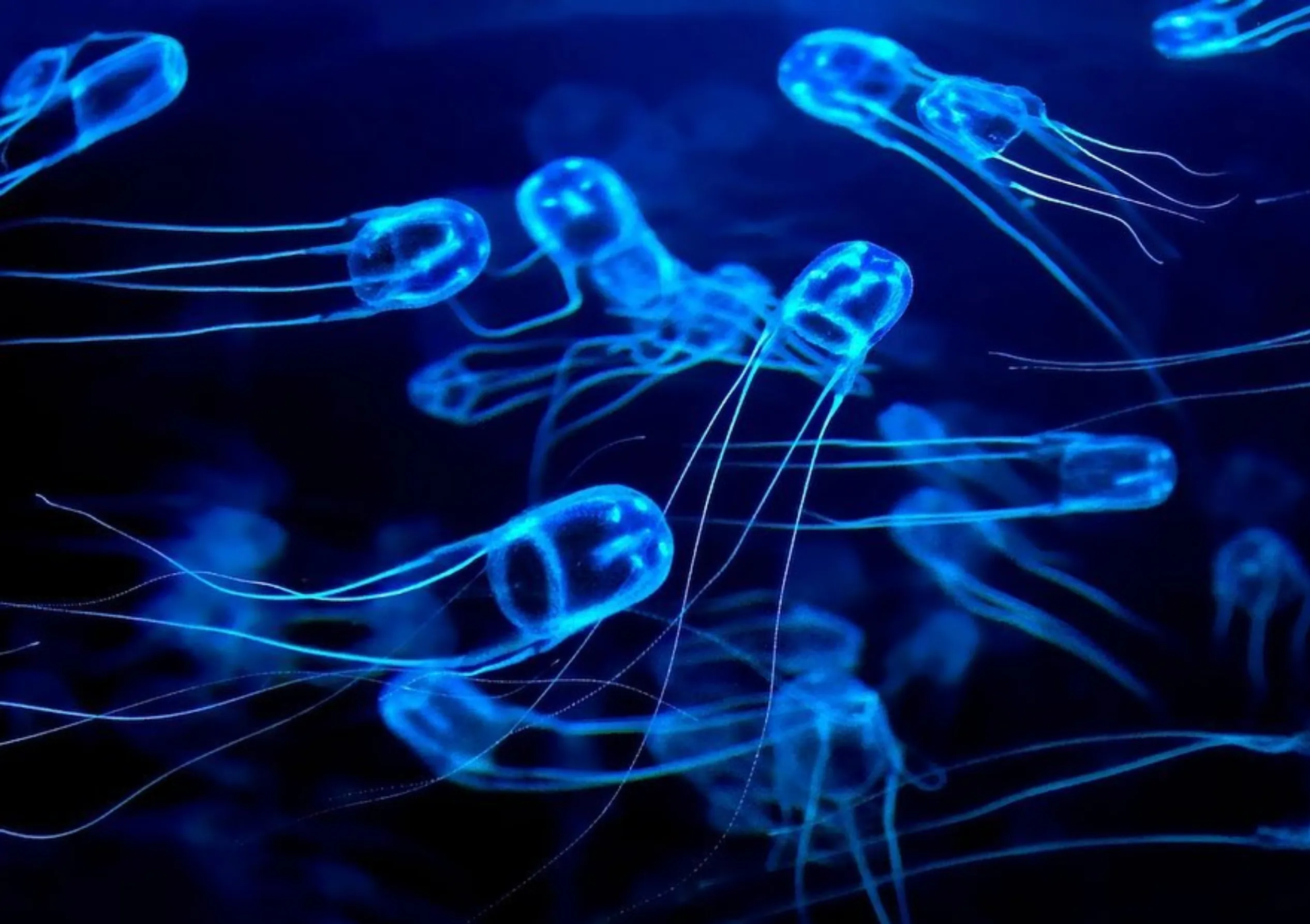
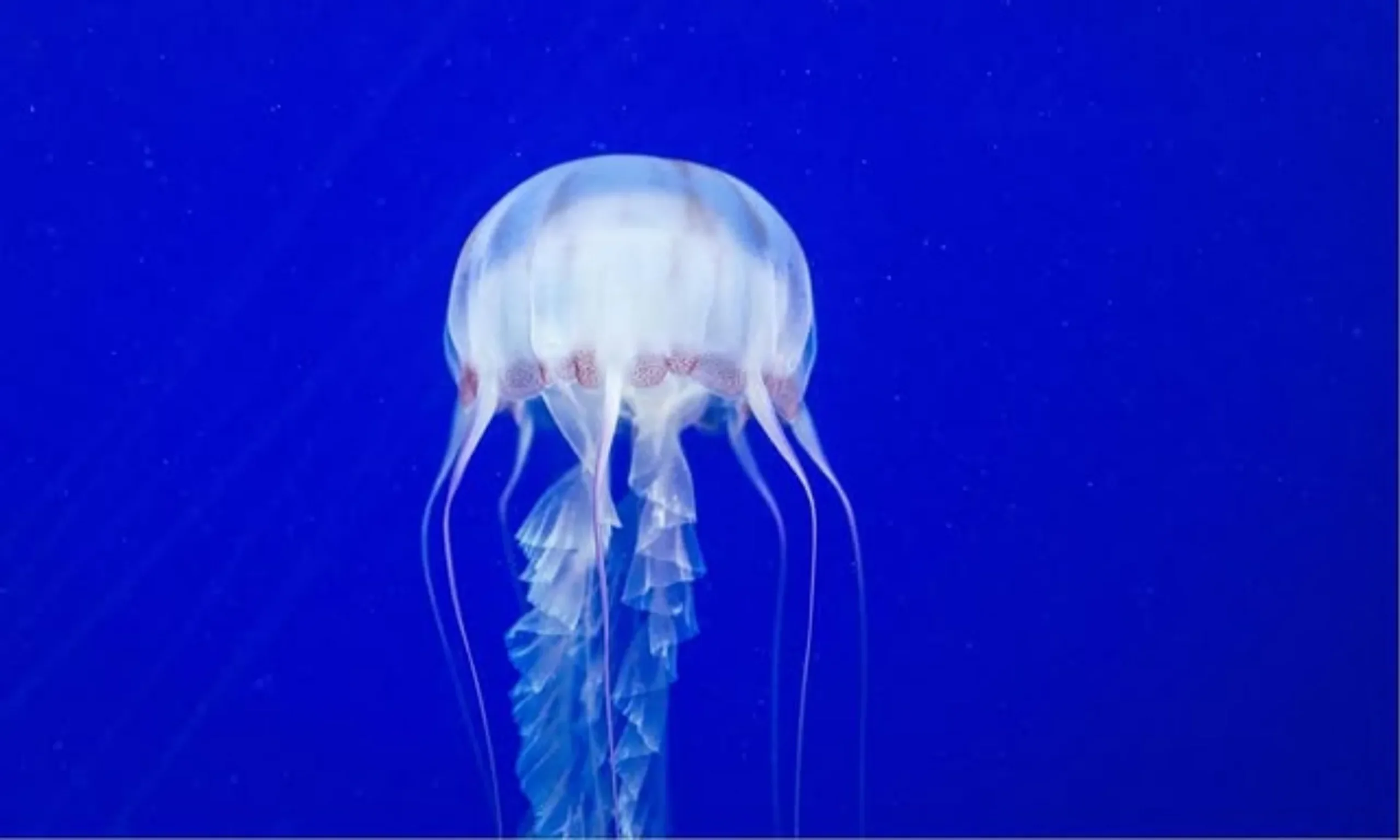
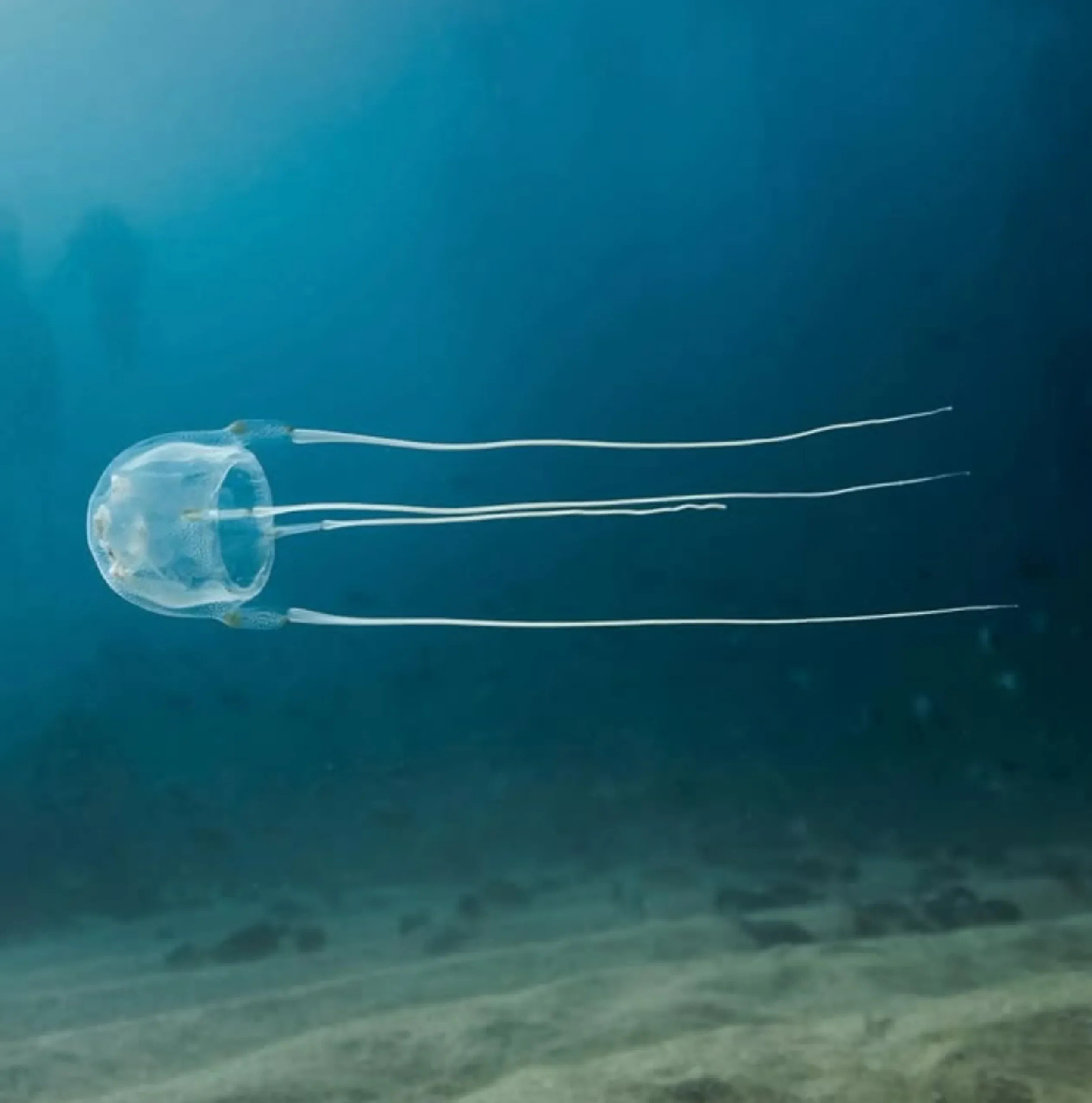
You’re dealing with a bunch of aquatic nasties that are capable of delivering some serious pain, including major box jellyfish, which can kill if you’re not careful. And then there’s the Irukandji type, like the Alatina alata – they may be small, but they can be deadly, and bluebottles like the infamous Physalia physalis – they’re painful but generally not life-threatening.
These jellyfish have a venom sting packed with some of the most complex and nasty toxins, some of which can wreak havoc on your system faster than you can say “aaagh”.
On the numbers, Australia has had over 70 box jellyfish-related fatalities in the past 150 years or so – they’re one of the most deadly sea creatures on the planet. Rare, sure, but not so rare that you can afford to ignore it.
That First Few Minutes: What You Do Now Matters
This is where keeping your cool and not panicking comes in handy. You don’t need any fancy gear, just the right actions.
If you get stung, the first thing to do is stop any more venom from getting in – and get help.
Get out of the water straight away – get someone else to do it for you if you can – and pour some vinegar over the sting for at least 30 seconds – that’s the key bit that stops the stinging cells from releasing more venom.
Once that’s done, carefully scrape off any visible tentacles with a glove, towel or stick – no using your bare hands – and then just stay as still as possible. The less you move, the less you’ll spread that venom around your body.
If things start to get more than just mildly painful, get the emergency services on the phone (000) – and in Northern Australia, it’s always better to over-react rather than under-react.
Managing Pain & Not Making Things Any Worse
Once you’ve taken care of the immediate first aid needs, you can start thinking about getting some pain relief – but only after you’ve given vinegar a go.
An ice pack can help ease the discomfort for less severe stings – although if you’ve got something a bit more serious going on, a hot water bath can be quite effective – though not usually for box jellyfish.
Your doctor might also prescribe pain medication if they think it’s necessary, depending on the severity.
You’ll no doubt see all sorts of dodgy remedies floating around online – urine, booze, and credit cards. Don’t go near ’em – these alternative “fixes” are way out of date and could actually make things worse.
There’s actually some decent science to back up vinegar as the go-to treatment for the really nasty stuff.
Why Treatment Advice is Never Simply Black & White
If you’ve ever looked up jellyfish stings online, you’ll have seen heaps of conflicting advice – and that’s mainly because the research just doesn’t all stack up.
Some of the advice is based on lab work, while other findings come from looking at real cases in the field. There have been all sorts of studies done with participants and all that jazz, but the problem is that results can vary wildly depending on what kind of jellyfish you’re dealing with, the conditions, and when it happened.
Most of the current advice is based on observational data – basically just a load of people’s experiences rather than any proper big-scale trials. The people who write these studies often note that lab results don’t translate to real-life situations.
So what does that mean for you? Stick with what’s been tried and tested – don’t go for the fancy new theories.
When It’s Time to Take Action (and Not Hang About)
Not all stings look super serious at first glance. The worst ones creep up on you, and that’s where people get caught out.
Early symptoms might be pretty obvious – sharp pain, some raised red lines on your skin, that sort of thing. That’s your first warning sign that something’s up.
More serious signs include sweating, feeling a bit queasy, struggling to breathe, or feeling some chest pain. If you’ve got an Irukandji sting, it can take up to 40 minutes for the effects to kick in – and that’s why people often underestimate the situation.
If you’re feeling off beyond mild discomfort, assume the worst and act on it. In northern Australia, you’re way better off being proactive than trying to guess.
When To Think Twice Before Swimming
Northern Australia’s got its own rhythms – wet season, dry season, all that sort of stuff – and jellyfish activity goes hand in hand with it.
The highest risk is between November and May, when the warmer water and weather patterns bring ’em right up onto the shore. After a storm or a big tide, the situation can change really quickly.
Hotspots include the Top End, Cape York, and the Kimberley. These are incredible places to visit – especially if you’re planning a wildlife adventure – but you can’t just ignore the safety basics.
You need to go in prepared, and not just be all ” oh yeah, I’ve got this “.
Safer Swimming Choices
You don’t have to swear off the water forever, just be a bit picky about where you swim.
Stinger nets create safe spaces, such as Darwin Waterfront, where you can take a dip with less risk. Or you can opt for an inland swimming hole – just be aware of what’s lurking in the water and check in with the locals first.
Some tour operators, like Wildlife Tours, know all the tricks and will plan around the risks. We’ve even got our own crew at Get Lost who will adjust the swim spots and make sure you’ve got a safety net in place, literally – we bring the gear with us and go over the lowdown before you take the plunge.
When you’re on a wildlife safari in Australia, though, making those small changes can make all the difference
A Field Lesson I Won’t Ever Forget
One trip we did near Dundee Beach still sends a shiver down my spine.
A traveller gave something a bit of a nudge in the shallow water – nothing to write home about at first, but that minor annoyance turned into a major problem 20 minutes later. He was in agony, sweating and panicking – Irukandji symptoms aren’t fun.
Luckily, we got him to drink some vinegar straight away, kept him calm and got him medical help fairly quickly. That early intervention made all the difference; waiting any longer would have just made things a whole lot worse
Before You Even Think About Swimming: A Checklist
You don’t need to carry around a laminated card with all the warnings on it – just run through this in your head on the fly:
First, check the signs, then ask the locals or a park ranger for the lowdown. Stick to the designated areas – don’t go wandering off on your own. Try to avoid peak season when the stingers are out in force. If you’re in a remote spot, carrying some vinegar and a stinger suit is always a good idea if you’re heading into the ocean.
And if you are heading off the beaten track, like the Gibb River Road or remote NT coastline, then preparation beats confidence any day
Common Mistakes That Can Get You Into Real Trouble
Most of the time, incidents aren’t just bad luck – they’re just down to some pretty poor decision-making.
People make the mistake of thinking that calm water means it’s safe, or of ignoring the warning signs altogether. They don’t bother carrying any vinegar around with them, or decide that their experience in one region automatically makes them an expert in another – sorry, Northern Australia has its own unique set of rules, and you just need to learn them to avoid trouble.
Final Word: Travel Smart, Not Luck
Northern Australia is probably the most rewarding place you’ll ever get to explore – the coastline is raw and wild, the the tracks are rugged, and the stories you’ll have to tell for years to come are just waiting to happen.
But – and this is a big but – you can’t just wing it. Know what you’re up against in the water. Make sure you’ve got the right gear with you. Listen to what the locals are saying. And if something starts going wrong – and it probably will at some point – just think fast.
That’s how you make sure your trip stays on track – whether you’re off on your own, with some mates from Wildlife Tours, or joining one of our groups out bush.
Got a tale or a tip to share? Fire it off below – I’m always adding to my field notes.
FAQ
Do Ice Packs do anything to stop the sting from getting worse?
No, they don’t. Ice packs just help with pain relief after you’ve had proper treatment – they won’t stop the venom from leaking out.
Can you just use hot water straight away?
Not always – it’s mainly useful if you’re dealing with a bluebottle sting, but if it’s a major box jellyfish sting, you’ll need to do something else.
Do serious reactions happen often?
Not usually – but when they do, they can happen fast and get very serious, very quickly.
Why are some symptoms slow to show up?
Some of the venom from certain species can take a while to take effect, so you might not get the symptoms straight away, especially with Irukandji.
Has the advice changed over time?
Yes, it has. In the past, there were all sorts of guidelines, but current first-aid advice still agrees that vinegar is the best option.